 我的
我的  购物车
购物车  中图云书房
中图云书房 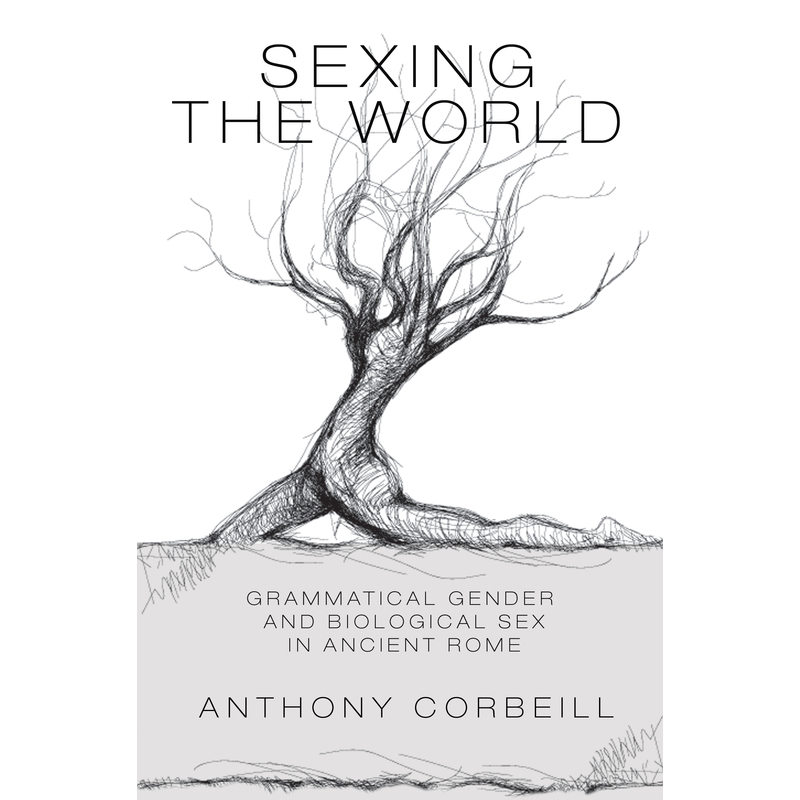
预订 Sexing the World万物雌雄鉴别:古罗马语法性别与生物性别
ISBN9780691163222
作者Anthony Corbeill
出版社Princeton University Press
按需印刷是
装帧名称精装
语言名称英语
页数216
出版日期2015-01-18
售价¥403
按需印刷商品,付款后15天内发货
服务按需印刷商品,非质量问题不接受退换货
装帧名称精装
数量
推荐相关系列好书



分类
T&F出版社 (45931)港台书 (328)艺术与摄影 (548)传记与自传 (84)商业与投资 (970)儿童与青少年读物 (2919)计算机与网络 (95)教育与教学 (619)历史 (171)法律 (46)生活与时尚 (1117)文学 (6271)医学 (40)非虚构类 (12357)家庭与育儿 (118)人文社科 (408)工具书 (24)科学与技术 (279)励志自助 (821)普林斯顿大学出版社 (4811)TCM出版社 (11)Wiley出版社 (1196)De Gruyter出版社 (7075)Sage出版社 (631)剑桥大学出版社 (4379)Worldbook出版社 Elsevier出版社 (561)IGI出版社 (1198)其他出版社 (431464)教材 (19)中图奥莱 (7263)中文书 (978) 商品详情
From the moment a child in ancient Rome began to speak Latin, the surrounding world became populated with objects possessing grammatical gender—masculine eyes (oculi), feminine trees (arbores), neuter bodies (corpora). Sexing the World surveys the many ways in which grammatical gender enabled Latin speakers to organize aspects of their society into sexual categories, and how this identification of grammatical gender with biological sex affected Roman perceptions of Latin poetry, divine power, and the human hermaphrodite.Beginning with the ancient grammarians, Anthony Corbeill examines how these scholars used the gender of nouns to identify the sex of the object being signified, regardless of whether that object was animate or inanimate. This informed the Roman poets who, for a time, changed at whim the grammatical gender for words as seemingly lifeless as "dust" (pulvis) or "tree bark" (cortex). Corbeill then applies the idea of fluid grammatical gender to the basic tenets of Roman religion and state politics. He looks at how the ancients tended to construct Rome's earliest divinities as related male and female pairs, a tendency that waned in later periods. An analogous change characterized the dual-sexed hermaphrodite, whose sacred and political significance declined as the republican government became an autocracy. Throughout, Corbeill shows that the fluid boundaries of sex and gender became increasingly fixed into opposing and exclusive categories.Sexing the World contributes to our understanding of the power of language to shape human perception.