 我的
我的  购物车
购物车  中图云书房
中图云书房 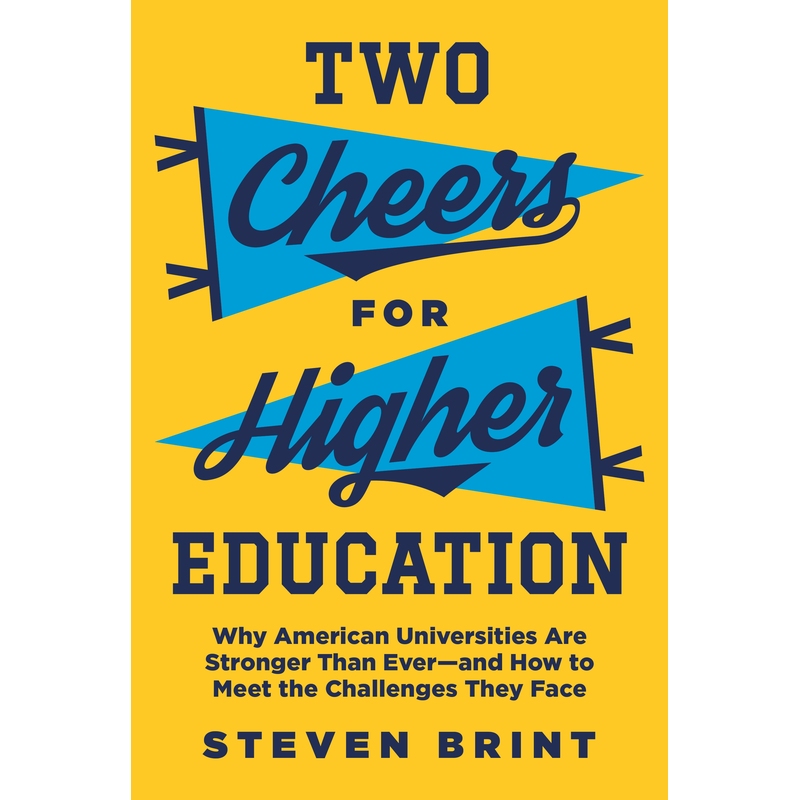
预订 Two Cheers for Higher Education高等教育的两个欢呼:为什么美国大学比以往更强大 - 以及如何应对他们面临的挑战
ISBN9780691210285
作者Steven Brint
出版社Princeton University Press
按需印刷是
装帧名称平装
语言名称英语
页数504
出版日期2020-08-04
售价¥213
按需印刷商品,付款后15天内发货
服务按需印刷商品,非质量问题不接受退换货
装帧名称平装
数量
推荐相关系列好书







分类
T&F出版社 (45931)港台书 (328)艺术与摄影 (548)传记与自传 (84)商业与投资 (970)儿童与青少年读物 (2919)计算机与网络 (95)教育与教学 (619)历史 (171)法律 (46)生活与时尚 (1117)文学 (6271)医学 (40)非虚构类 (12357)家庭与育儿 (118)人文社科 (408)工具书 (24)科学与技术 (279)励志自助 (821)普林斯顿大学出版社 (4811)TCM出版社 (11)Wiley出版社 (1196)De Gruyter出版社 (7075)Sage出版社 (631)剑桥大学出版社 (4379)Worldbook出版社 Elsevier出版社 (561)IGI出版社 (1198)其他出版社 (431462)教材 (17)中图奥莱 (7263)中文书 (978) 商品详情
A leading expert challenges the prevailing gloomy outlook on higher education with solid evidence of its successes
Crushing student debt, rapidly eroding state funding, faculty embroiled in speech controversies, a higher-education market disrupted by online competition—today’s headlines suggest that universities’ power to advance knowledge and shape American society is rapidly declining. But Steven Brint, a renowned analyst of academic institutions, has tracked numerous trends demonstrating their vitality. After a recent period that witnessed soaring student enrollment and ample research funding, universities, he argues, are in a better position than ever before.Focusing on the years 1980–2015, Brint details the trajectory of American universities, which was influenced by evolving standards of disciplinary professionalism, market-driven partnerships (especially with scientific and technological innovators outside the academy), and the goal of social inclusion. Conflicts arose: academic entrepreneurs, for example, flouted their campus responsibilities, and departments faced backlash over the hiring of scholars with nontraditional research agendas. Nevertheless, educators’ commitments to technological innovation and social diversity prevailed and created a new dynamism.Brint documents these successes along with the challenges that result from rapid change. Today, knowledge-driven industries generate almost half of U.S. GDP, but divisions by educational level split the American political order. Students flock increasingly to fields connected to the power centers of American life and steer away from the liberal arts. And opportunities for economic mobility are expanding even as academic expectations decline.In describing how universities can meet such challenges head on, especially in improving classroom learning, Brint offers not only a clear-eyed perspective on the current state of American higher education but also a pragmatically optimistic vision for the future.
Crushing student debt, rapidly eroding state funding, faculty embroiled in speech controversies, a higher-education market disrupted by online competition—today’s headlines suggest that universities’ power to advance knowledge and shape American society is rapidly declining. But Steven Brint, a renowned analyst of academic institutions, has tracked numerous trends demonstrating their vitality. After a recent period that witnessed soaring student enrollment and ample research funding, universities, he argues, are in a better position than ever before.Focusing on the years 1980–2015, Brint details the trajectory of American universities, which was influenced by evolving standards of disciplinary professionalism, market-driven partnerships (especially with scientific and technological innovators outside the academy), and the goal of social inclusion. Conflicts arose: academic entrepreneurs, for example, flouted their campus responsibilities, and departments faced backlash over the hiring of scholars with nontraditional research agendas. Nevertheless, educators’ commitments to technological innovation and social diversity prevailed and created a new dynamism.Brint documents these successes along with the challenges that result from rapid change. Today, knowledge-driven industries generate almost half of U.S. GDP, but divisions by educational level split the American political order. Students flock increasingly to fields connected to the power centers of American life and steer away from the liberal arts. And opportunities for economic mobility are expanding even as academic expectations decline.In describing how universities can meet such challenges head on, especially in improving classroom learning, Brint offers not only a clear-eyed perspective on the current state of American higher education but also a pragmatically optimistic vision for the future.